
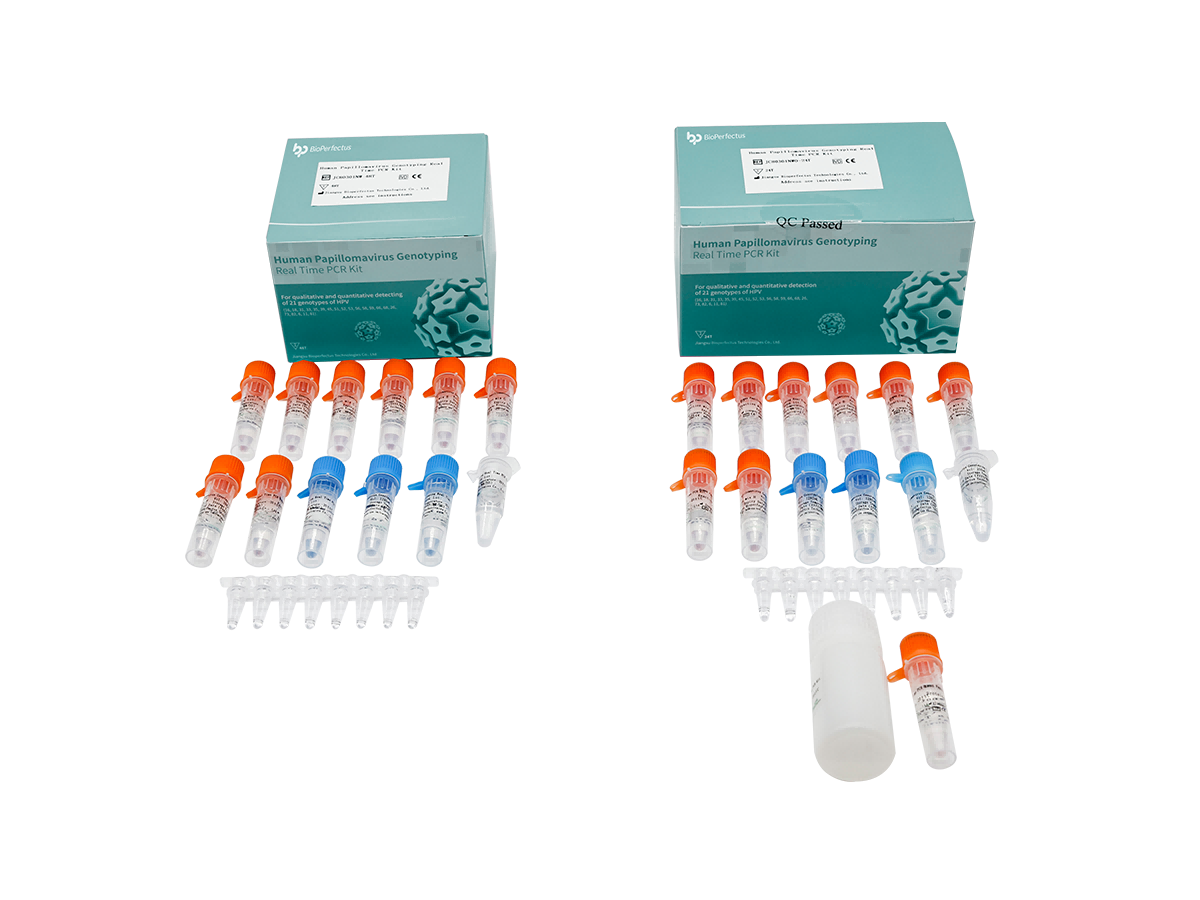

Cervical cancer is a serious disease affecting the female cervical region and is among the top four causes of cancer-related death in women.
Human Papillomavirus (HPV) is a group of DNA viruses that exclusively infect human epithelial or mucosal cells, potentially leading to the development of cancer. There are over 100 types of HPV, each with a preference for specific infection sites. These types are classified into two groups according to their risk of causing cancer:
High-risk HPV: 16, 18, 31, 33, 35, 39, 45, 51, 52, 56, 58, 59, 66, and 68
Low-risk HPV: 6, 11, and 81
Cervical cancer is a preventable disease. To reduce its morbidity and mortality, it is essential to encourage women to undergo regular HPV screening. According to the WHO Guidelines (2021), it is recommended to use HPV DNA detection as the primary test in both “screen-and-treat” and “screen, triage, and treat” models.
High-risk HPV detection is more sensitive for identifying cervical intraepithelial neoplasia (CIN) than other methods. Screening targeted at high-risk types avoids unnecessary colposcopies and improves clinical management. When the same type of HPV is detected more than once within a 6-month interval, it may indicate persistent infection, requiring additional triage.
This process enables early diagnosis of infection and treatment before progression to precancerous lesions or cervical cancer. Furthermore, the viral load of high-risk HPV is positively related to an increased risk of precancerous lesions and cancer, and can also predict the development of residual lesions after treatment.
Cost-effective: Compatible with most major real-time PCR instruments; no specialized systems required.
Meets Clinical Needs: Individualized reporting of 21 HPV genotypes, aiding in screening and treatment.
High Genotyping Accuracy: Accurately identifies different HPV infections post-screening.
Reliable Performance: Proven high sensitivity and specificity in clinical studies.
Versatile: Compatible with cytological samples (ThinPrep® and BD SurePath™).
| LoD (Limit of Detection): |
400 copies/mL |
| PPA (Positive Percent Agreement) | 91,20% |
| NPA (Negative Percent Agreement) | 98,20% |
| Sample Volume | 2 μL × 8 |
| Sample Type |
|
| Test Time | 90 minutes (for qualitative analysis and genotyping only). |
| Storage Temperature | -20±5℃ |
| Validity | 12 months |
ANVISA, CE, NMPA


