Introduction
The Epstein-Barr virus (EBV), also known as human herpesvirus 4, is a member of the herpesvirus family. The prevalence of EBV infection in children under 4 years of age exceeds 90%. Infected children generally present with non-neoplastic conditions, including infectious mononucleosis (IM), chronic active EBV infection (CAEBV), EBV-associated hemophagocytic lymphohistiocytosis (EBV-HLH), and X-linked lymphoproliferative syndrome (XLP).
EBV is classified as a Group 1 carcinogen by the International Agency for Research on Cancer (IARC). It is responsible for 1% of all cancer cases worldwide, and EBV-associated cancers represent 5.6% of all cancers of infectious origin. In addition to nasopharyngeal carcinoma, EBV is associated with various human neoplastic diseases, such as Burkitt lymphoma (BL), Hodgkin lymphoma (HL), NK/T-cell lymphoma, nasopharyngeal carcinoma (NPC), and certain types of gastric cancer.
EBV is primarily transmitted through saliva but can also be spread through blood transfusions and organ transplants. Current laboratory methods include serological tests and nucleic acid tests. Laboratory operators must be trained and qualified for gene amplification or molecular biology testing. The laboratory must have adequate biosafety facilities with appropriate protection protocols.
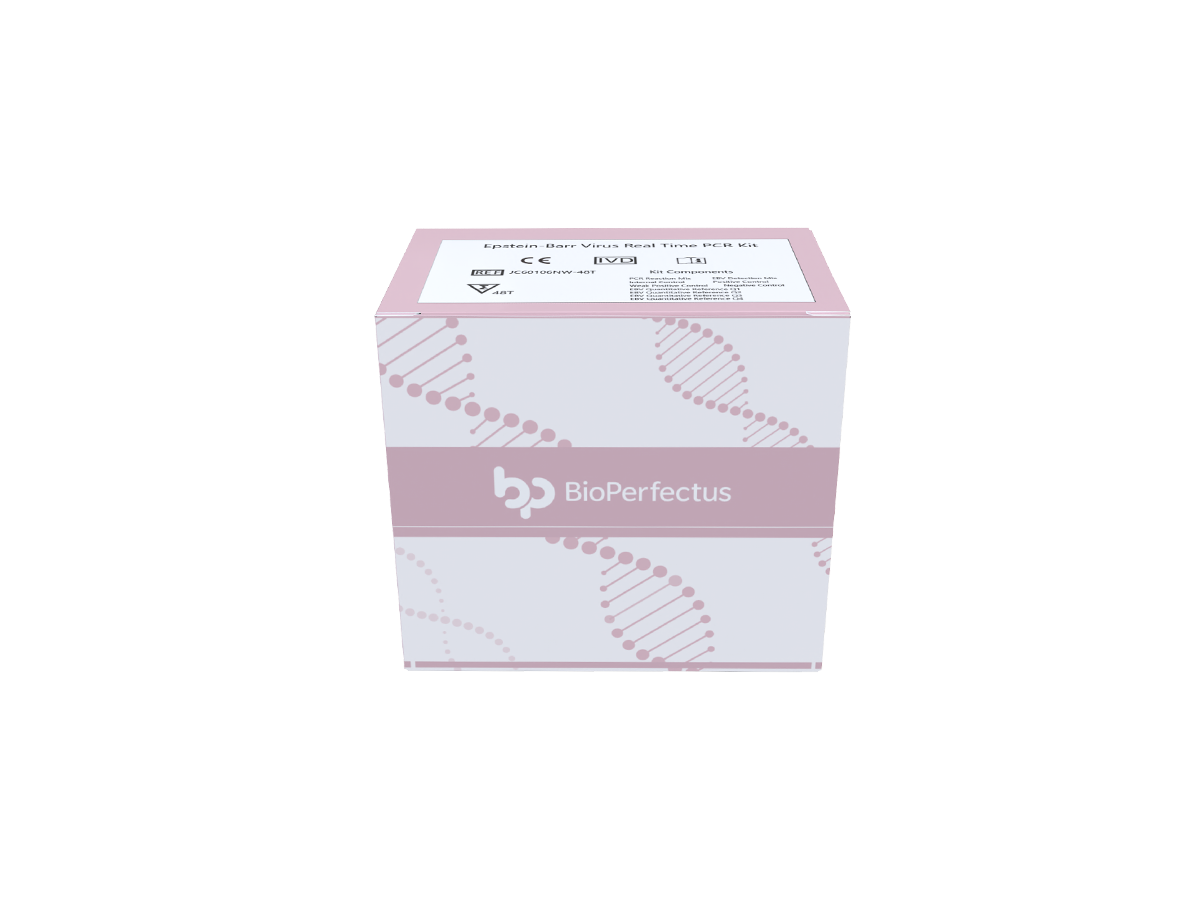
The BioPerfectus Epstein-Barr Virus Quantitative Real-Time PCR Kit is intended for the in vitro quantitative detection of EBV DNA in human peripheral blood and plasma samples.
Features
-
Quality Control: Internal control and anti-contamination UDG technology ensure reliability throughout the entire process
-
No cross-reactivity with other viruses showing similar symptoms
-
Compatibility: Compatible with most widely used instruments